Kitchen Items Vector: The Designer's Essential Toolkit for Culinary Visual Storytelling
Every designer knows the moment — you're working on a cookbook layout, a restaurant menu, a food blog header, or an app interface for a meal-planning startup, and you need crisp, consistent kitchen imagery that doesn't look like generic clip art. This is precisely where a well-crafted Kitchen Items Vector collection becomes indispensable. Rather than hunting across scattered resources or redrawing common utensils from scratch, having a unified set of culinary illustrations at your fingertips transforms your workflow from fragmented to fluid.
What sets a premium vector illustration set apart is not merely the quantity of icons included, but the thoughtfulness behind their construction. The Hello Welcome to our Special AI EPS Collections brings together design integrity and practical usability in a way that respects both the creative process and the technical demands of modern projects. Let's explore what makes a kitchen-themed vector pack genuinely valuable, how it serves different creative disciplines, and what you should look for when evaluating such resources for your own work.
Understanding the Value of a Dedicated Kitchen Vector Collection
A Kitchen Items Vector set is more than a folder of drawings. It is a curated visual language that communicates warmth, functionality, and the everyday beauty of cooking and food preparation. The best collections capture the subtle details — the curve of a whisk handle, the rivets on a chef's knife, the steam rising from a kettle — in a style that remains consistent across every single asset.
When you open a professionally organized vector pack, the immediate sense of order saves you time. Files are not dumped haphazardly into a single directory. Instead, you discover a neatly organized file and layer structure that lets you locate exactly what you need without scrolling through endless unnamed layers. This kind of attention to organization reflects an understanding of real design workflows, where minutes saved on file management translate into more time for creative refinement.
The Technical Backbone: AI, EPS, and JPG Formats
A versatile Kitchen Items Vector collection should be delivered in formats that accommodate different software environments and use cases. The inclusion of AI EPS and JPG files means you are equipped whether you work in Adobe Illustrator, CorelDRAW, Affinity Designer, or even simpler programs that require raster fallbacks. The native AI file preserves full editability, while the EPS format ensures broad compatibility across vector editing suites. The JPG versions provide quick preview options and can be dropped directly into presentations, web mockups, or social media graphics without conversion steps.
Importantly, these files are designed for both Mac and Windows users, eliminating the friction that sometimes arises when cross-platform teams collaborate. There is no need to worry about font substitutions, missing links, or platform-specific encoding quirks. The files simply work, regardless of your operating system.
What Distinguishes Exceptional Kitchen Illustrations from Average Ones
Not all vector art is created equal. The difference between a mediocre kitchen icon set and an outstanding one lies in the details. Perfection in details and consistency means that every fork tine aligns, every pot handle attaches at the correct angle, and the line weights remain uniform throughout the entire library. This consistency is not just aesthetically pleasing — it is functionally critical when you are combining multiple icons into a single composition, such as a recipe card or an infographic about cooking techniques.
Imagine creating a step-by-step visual recipe. You pull a mixing bowl icon from one source, a wooden spoon from another, and a measuring cup from yet another. The styles clash. The proportions feel off. The viewer's eye catches the inconsistency before it absorbs the information. A unified Kitchen Items Vector set eliminates this problem entirely. Every element was designed to coexist harmoniously, speaking the same visual dialect.
Editability as a Creative Superpower
One of the most liberating aspects of a well-built vector illustration pack is the freedom to adapt. You can edit it, change colors, and modify the icon so easily according to your needs. Perhaps your brand palette uses warm terracotta and sage green instead of standard kitchen chrome and black. With fully editable vector files, you select the paths and apply your brand colors in seconds. Need a slightly longer rolling pin for a banner graphic? Stretch it proportionally without losing quality. Want to remove a detail that feels too busy for a mobile app icon? Simply hide or delete that layer.
This flexibility transforms a purchased asset from a static resource into a living component of your design system. The icons grow and adapt alongside your projects, rather than forcing your projects to conform to the limitations of the artwork.
Real-World Applications Across Industries and Mediums
A Kitchen Items Vector collection finds its way into remarkably diverse contexts. The versatility stems from the universal recognition of kitchen objects — they are understood across cultures, languages, and age groups, making them powerful communication tools.
Print Projects That Come to Life
Cookbooks and recipe magazines represent the most obvious home for culinary illustrations, but the applications extend much further. Restaurant menus benefit from subtle iconography that guides diners through sections — a small whisk beside breakfast items, a wine glass for the drinks list. Event planners designing invitations for cooking classes, kitchenware catalogs showcasing product categories, and food packaging that needs clear usage instructions all draw from the same well of kitchen imagery.
Because these vectors are suitable for print, you can scale them to billboard size or shrink them to fit on a spice jar label without any degradation. The crisp edges hold at 300 DPI and beyond, delivering professional results whether printed offset, digital, or through home inkjet.
Web and Digital Experiences Enhanced
On screens, kitchen vectors serve equally vital roles. Food bloggers use them to create consistent category badges for recipe types — vegetarian, gluten-free, one-pot meals. E-commerce sites selling kitchenware employ vector icons to highlight product features. App designers building meal planners, grocery list managers, or cooking timers need symbols, apps, and infographics that remain legible at tiny mobile sizes.
The web-ready nature of these illustrations means they export cleanly to SVG for responsive websites, PNG for social media posts, or remain as scalable vector graphics within interactive prototypes. Their clarity at any resolution makes them future-proof assets in a landscape of ever-increasing screen densities.
Who Benefits Most from a Kitchen Vector Pack
The audience for culinary illustration resources is broader than many initially assume. While graphic designers and illustrators form the core user base, the value extends to small business owners managing their own branding, content creators building visual identities, educators developing instructional materials, and even home cooks who want to elevate personal projects like family recipe books or kitchen wall art.
A Kitchen Items Vector pack democratizes access to professional-grade visual assets. Without needing to commission custom illustrations or possess advanced drawing skills, anyone can produce materials that look cohesive and polished. This accessibility does not diminish the value for professionals; rather, it frees them to focus on higher-level creative decisions instead of foundational asset creation.
Practical Considerations When Choosing a Vector Illustration Set
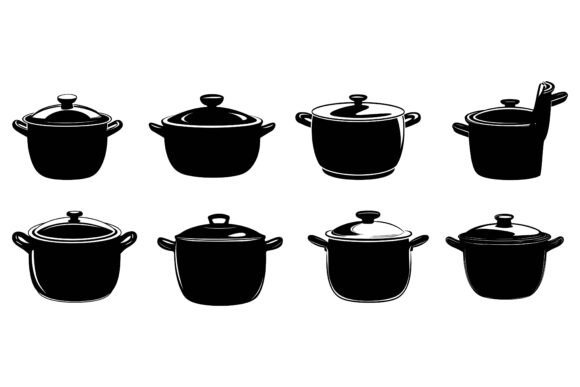
Before integrating a vector collection into your workflow, consider a few practical dimensions. First, assess the range of items included. Does the set cover the specific utensils, appliances, and cookware relevant to your projects? A comprehensive kitchen collection should span cookware like pots and pans, utensils such as spatulas and ladles, small appliances like toasters and blenders, and serving items including plates and cutlery.
Second, examine the artistic style. Is it line art, flat design, isometric, or hand-drawn? The style should complement your existing brand assets or project aesthetic. A highly detailed, realistic style might overwhelm a minimalist app interface, while overly simplified icons might lack warmth for a family cookbook.
Third, verify the licensing terms. Understand whether the illustrations can be used in commercial products, how many end products they can appear in, and whether attribution is required. Clarity on these points prevents complications down the road.
Making the Most of Your Vector Investment
Once you have a quality Kitchen Items Vector collection in your toolkit, the creative possibilities multiply. Combine icons to create scene illustrations — a countertop with a mixing bowl, whisk, and flour sifter tells a baking story without a single word. Layer them over photographs for hybrid collage effects. Animate individual elements for short cooking videos or website hover effects.
Consider building a personal library where you pre-color and pre-style your most-used icons according to your recurring project needs. This upfront investment of an afternoon pays dividends every time you start a new assignment and can reach directly into a folder of ready-to-use, on-brand assets.
The true measure of a design resource is not how impressive it looks in isolation, but how seamlessly it integrates into your actual work. The best kitchen vector packs fade into the background of your creative process — always available, never obstructive, quietly enabling you to produce better work faster than before.
Whether you are designing a restaurant's new seasonal menu, building the next popular recipe app, creating engaging social media content for a food brand, or compiling a cherished family cookbook, the right illustrations elevate your output from amateur to accomplished. The organized layers, cross-platform compatibility, print and web readiness, and complete editability of a professionally crafted vector set remove technical barriers and let your creative vision take center stage.
So take stock of your current design resources. If your kitchen imagery folder feels sparse, inconsistent, or difficult to work with, a dedicated Kitchen Items Vector collection may be precisely what your toolkit has been missing. The time saved, the consistency gained, and the professional polish achieved make it one of those quiet investments that pays for itself project after project. Buy now and start using this awesome illustration — your future designs will thank you.