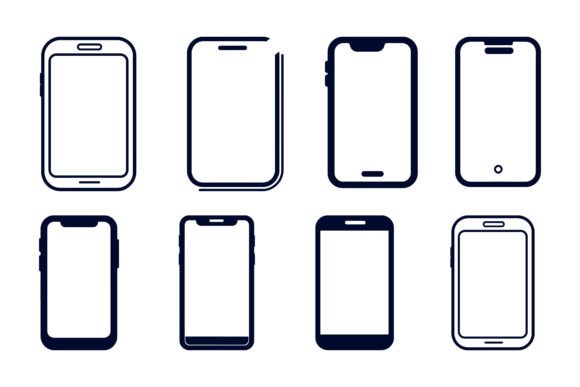
Phone Vector Mockup
Bringing a mobile app, website, or digital product idea to life requires more than just great code or clever UX. It demands a compelling visual story that instantly communicates purpose, professionalism, and attention to detail. A phone vector mockup fulfills that role by giving designers, developers, and marketers a fully editable, infinitely scalable canvas to present their work inside a realistic device frame. Whether you need to showcase a new feature, create a pitch deck, or update your portfolio, a high-quality phone vector mockup can transform a plain screenshot into a polished, client-ready asset. In this article, we explore exactly what these mockups are, the real-world challenges they solve, who benefits most from them, and how to choose a resource—like a carefully curated AI EPS collection—that fits your workflow.
What Exactly Is a Phone Vector Mockup?
A phone vector mockup is a device illustration built entirely from vector paths, typically saved in formats like AI (Adobe Illustrator) or EPS (Encapsulated PostScript). Unlike raster images made of pixels, vectors use mathematical equations to define shapes. This means the mockup can be scaled to any size—from a tiny app icon to a billboard print—without losing sharpness or clarity. You are not just getting a static picture of a phone; you receive a structured, layered file where every element—the screen area, buttons, shadows, reflections, and background—can be isolated, moved, edited, or recolored independently.
Often these files also include a JPG preview so you can quickly browse the collection before opening the editable vector version. The best phone vector mockups come with an organized layer structure, allowing you to drop in your own screen design with just a few clicks. They are purpose-built for both Mac and Windows users, ensuring cross-platform compatibility without the headache of converting files or losing data.
Common Challenges That Lead Creatives to Vector Mockups
Before vector-based resources became widely available, many designers struggled with several recurring problems. Understanding these challenges clarifies why a phone vector mockup is not merely a "nice to have" but often a practical necessity.
- Pixelation and blurry outputs. Pasting a screenshot into a raster phone image and then scaling it up for a presentation slide or printed poster frequently results in a soft, unprofessional look. Edges appear jagged, and fine text becomes illegible.
- Inconsistent branding. When multiple team members work on the same project, using different phone frame styles, lighting, or colors can dilute the brand message. A unified set of vector mockups enforces consistency.
- Rigid, non-editable frames. Traditional JPEG phone mockups lock you into a specific device color, shadow angle, or background. If a client wants the phone frame in a brand-specific hue or needs the reflection removed, you would have to start over or painstakingly isolate elements with photo editing tools.
- Time-consuming workflow. Slicing, masking, and aligning screenshots in raster software demands minutes or even hours per image when multiplied across dozens of screens. This repetitive work takes designers away from higher-value creative tasks.
How a Phone Vector Mockup Solves These Problems
A well-designed phone vector mockup directly addresses these pain points by giving you complete creative control. Here is how it makes a tangible difference in real projects.
Infinite Scalability Without Loss
Because the file is built on vectors, you can scale the entire mockup to any dimension without worrying about resolution. Need a 4000-pixel hero image for a website? Export it. Need a tiny symbol for an infographic? Size it down. The crisp outlines, typography, and shadows remain perfect. This scalability makes the phone vector mockup equally suitable for print, web, symbols, apps, and infographics.
Quick and Easy Customization
Modern vector mockup files are designed with editing in mind. A simple click on a layer lets you change the device body color from silver to midnight blue, adjust the screen glow, or even replace the screen content by dragging your design into a designated smart object or grouped layer. You do not need to be a pen-tool expert: most collections are built so that even relative beginners can modify icons, buttons, and backgrounds easily. As many suppliers emphasize, you can edit it, change colors and modify the icon so easily according to your needs.
Organized Structure for Faster Iterations
A professional phone vector mockup set arrives with a neatly organized file and layer structure. Every component is logically named and arranged—"screen placeholder," "device frame," "shadow," "background." This discipline saves you from hunting through dozens of unnamed layers. It also encourages iterative design: swap in a new screen, adjust the background color, and export in seconds. Such efficiency is critical when you are preparing multiple mockup variations for client feedback, A/B testing, or stakeholder presentations.
Consistent Details Across Projects
Perfection in details and consistency is a hallmark of well-crafted vector resources. Subtle design elements like realistic bezels, precise corner radii, authentic camera bumps, and dynamic reflections are already drawn with care. You don’t have to rebuild these from scratch. The result is a polished, professional look every time—no matter how many different screens you display.
Who Uses Phone Vector Mockups and How They Approach Them
The versatility of the phone vector mockup means different roles find value in different ways.
- App developers and startups: Often need to present prototypes to investors or early users. They rely on vector mockups to create clean, zoomed-in feature callouts without any fidelity loss. They typically prefer packs that include multiple angle views and device colors.
- UI/UX designers: Use mockups for portfolio case studies and client approvals. Layered AI/EPS files let them demonstrate both light and dark mode versions of an interface in the same device frame by simply toggling layer visibility.
- Marketing professionals: Need website hero images, social media graphics, and email banners. They value ready-to-use JPG previews for quick social posts but also require the editable vector source to adapt the device frame to their brand’s exact color palette.
- Template and infographic creators: Look for clean, minimal phone vector icons that work as symbols within larger visual explanations. Vector formats guarantee that the phone symbol integrates seamlessly with charts, diagrams, and flowcharts.
- Educators and content creators: Build tutorials, online courses, or YouTube thumbnails. They benefit from a phone vector mockup that can be reused across episodes without quality degradation.
Each user type approaches the resource slightly differently. A beginner may open the JPG preview, use a simple screen replacement, and export. An intermediate user might dive into the layers to tweak colors and drop shadows. An advanced illustrator might deconstruct the file to learn technique or combine elements from multiple devices into a single composition. The file's structure—designed for Mac and Windows—ensures that regardless of operating system or skill level, the workflow remains smooth.
Practical Applications That Deliver Real Outcomes
When you integrate a phone vector mockup into your daily work, the impact is both immediate and measurable. Consider these common scenarios:
- App store listings: Both the Apple App Store and Google Play encourage developers to upload screenshots framed inside device bezels. A vector mockup ensures your screenshots always meet the exact resolution requirements and look crisp on high-DPI displays.
- Client presentations: Instead of a plain wireframe on a white slide, you can place your design into a realistic phone setting. Add a subtle desk background or a hand holding the device to increase perceived value and client buy-in.
- Print materials: Brochures, flyers, and posters for digital products often benefit from a phone visual. Vector mockups print cleanly, even at large sizes, avoiding the pixelation that ruins many raster-based efforts.
- Social media and blog headers: A consistent visual style across your content builds brand recognition. Using the same phone vector mockup family for all your Instagram stories, blog posts, and LinkedIn updates creates a cohesive look.
- User onboarding guides: Step-by-step instructions with clearly visible UI elements inside a phone frame help users follow along without distraction. The ability to edit vector colors means you can highlight call-to-action buttons or important sections directly in the mockup.
What to Look for in a Quality Phone Vector Mockup Collection
Not all vector resources are created equal. When you search for a phone vector mockup set, evaluate it against a few critical criteria to ensure it truly supports your work instead of adding friction.
- File formats: A useful pack includes native AI and EPS files for full editing capability, plus JPG previews for quick browsing and reference. This trio covers all typical workflows.
- Cross-platform compatibility: Confirm the files are designed and tested for both Mac and Windows environments. Nothing stalls a project faster than importing a file that breaks because of font or effect discrepancies.
- Layer organization: Look for clearly named layers and groups. The more thoughtfully the file is structured, the less time you will waste deciphering someone else’s chaotic work.
- Attention to detail: Examine the reflections, shadows, screen glare, and device proportions. Perfection in these small details separates a mediocre mockup from one that genuinely elevates your presentation.
- Versatility: The best collections are suitable for print, web, symbols, apps, and infographics. They might offer a few different angles, a minimal device outline for infographics, and a more photorealistic version for web hero images.
- Editability: You should be able to change not only the screen content but also the device color, button styles, and surrounding elements with minimal effort.
When you discover a collection that meets these standards—perhaps something described as a Special AI EPS collection with a neat file structure, consistent design, and broad compatibility—you are effectively investing in a reliable tool that can serve you for years across countless projects. Such a resource removes the repetitive burden of building device frames and lets you focus purely on the design you want to showcase.
Recommendations for Getting the Most from Your Phone Vector Mockup
To maximize the value of your chosen vector set, adopt a few smart practices.
- Start with the right software: While EPS files can be opened in many applications, the most seamless experience comes from using Adobe Illustrator or an equivalent vector editing program that fully supports layers and effects. This ensures you can access every editable component.
- Duplicate before you edit: Always keep the original file intact. Create a copy of the template, rename it for your current project, and work on that. This habit prevents accidental overwrites and gives you a clean starting point next time.
- Match screen resolution to device: Before you place your app screenshot or design into the mockup, make sure its pixel dimensions closely match the device’s actual screen resolution. This prevents distortion or stretching that can ruin the realism.
- Experiment with color variations: Use the easy color-changing ability to test how your design looks inside a gold, graphite, or deep blue phone frame. Sometimes a subtle frame color shift harmonizes better with your design’s color palette.
- Export in multiple formats: Once the mockup is ready, export it as a high-resolution PNG for web, a CMYK-compatible PDF or TIFF for print, and a smaller JPEG for email attachments. The vector source allows you to generate all these from one master file without quality loss.
- Build a template library: Over time, collect and organize your favorite phone vector mockup files in a central folder. Tag them by angle, device model, and style. This turns your computer into a powerful asset management system that accelerates every new project.
Why the Right Phone Vector Mockup Makes All the Difference
Your design deserves a frame that does it justice. A poorly rendered, pixelated mockup diminishes even the most thoughtful interface. Conversely, a clean, vector-based presentation amplifies professionalism, builds trust with clients, and helps your work stand out in a competitive market. The ability to adapt every detail—colors, shadows, backgrounds, and screen replacements—gives you the freedom to tailor the visual to any context without ever sacrificing quality.
When you are ready to upgrade your visual toolkit, look for resources that offer the full package: organized layers, cross-platform compatibility, multiple file formats, and that rare combination of precision and ease of editing. A well-curated phone vector mockup collection becomes far more than a single-use graphic; it evolves into an essential creative building block you return to again and again. So, take the next step, choose a set that meets your professional standards, and start transforming your screens into compelling stories today.